Release Date:2026-01-16 Page views:132
As the new energy vehicle industry enters the "fast lane" of large-scale development, its production and sales volume exceeded 20 million units in 2025. Behind the explosive market growth lies an extreme pursuit of reliability for complete vehicles and core components. As an "invisible guardian" ensuring the safety of new energy vehicles, the accuracy of the testing process directly determines product quality, and pneumatic connectors are indispensable core components in new energy vehicle pneumatic testing. As an innovator of intelligent testing connection solutions, Quick Link’s mission is to integrate intelligent sensing and data interaction capabilities into hardware innovation, providing customers with next-generation diagnostic and predictable connection solutions.
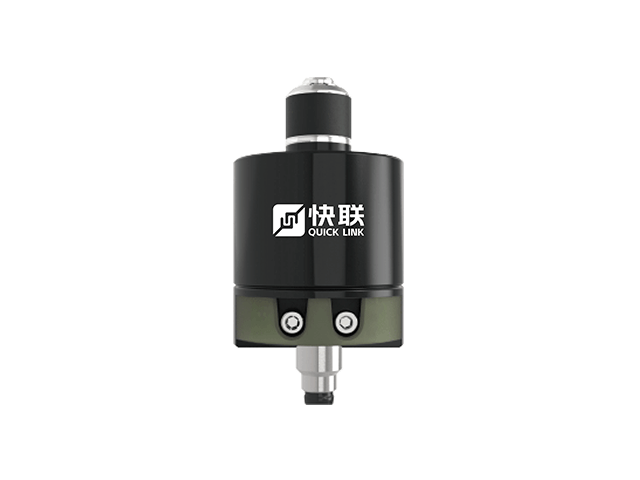
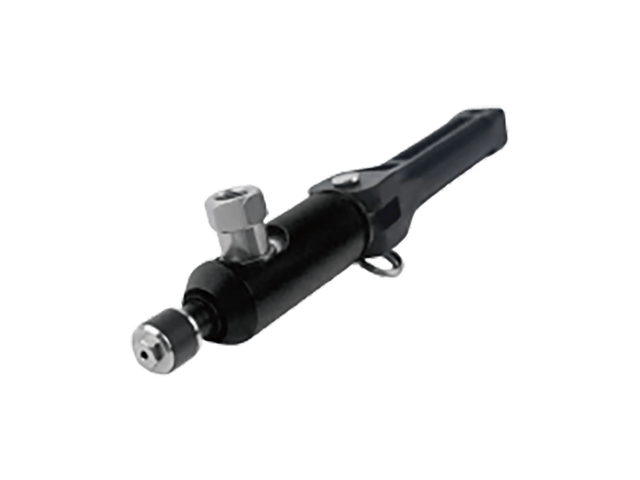
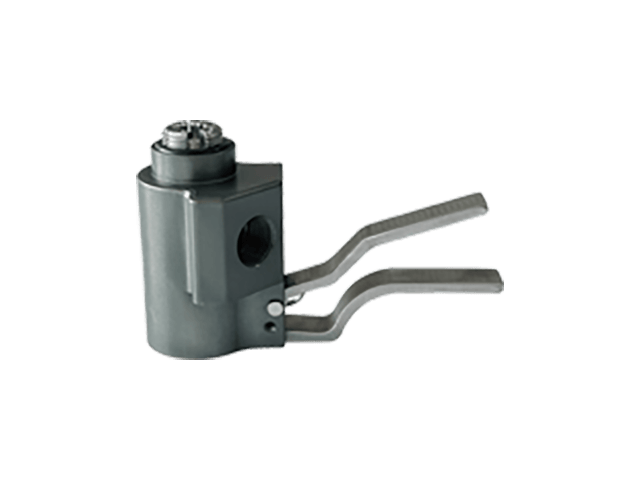
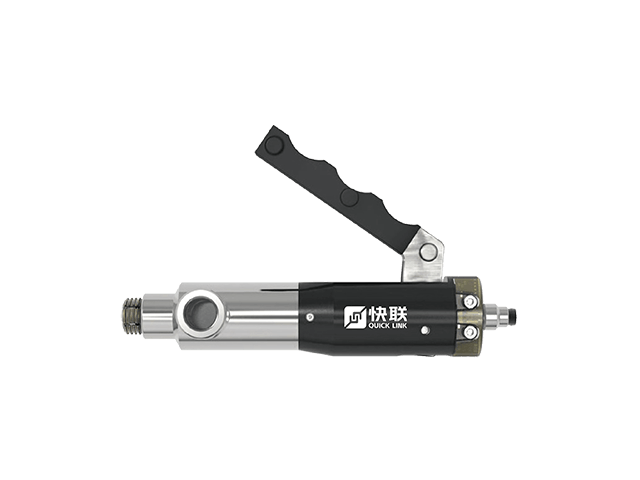
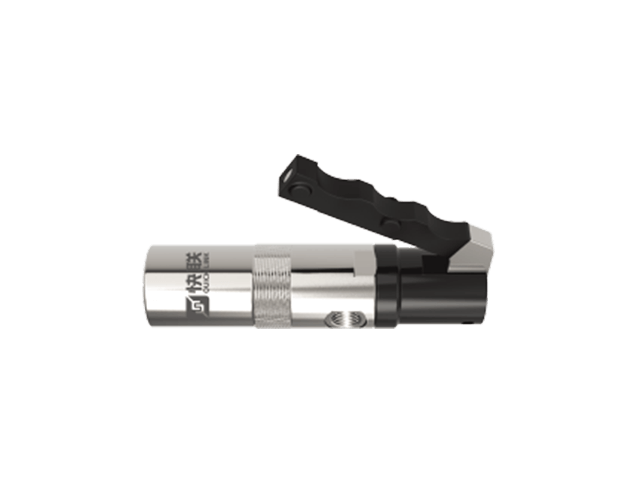
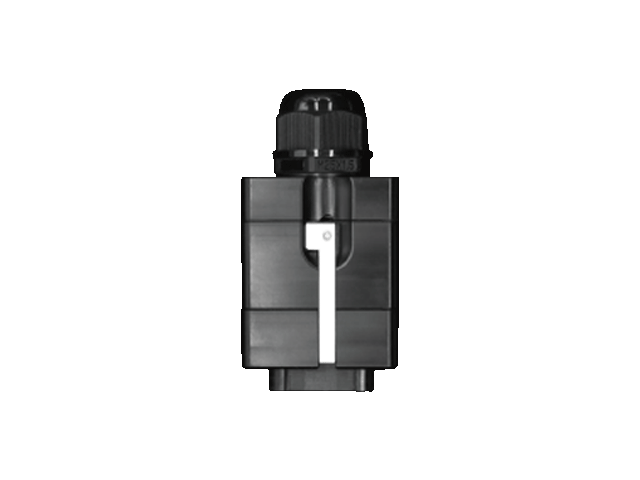
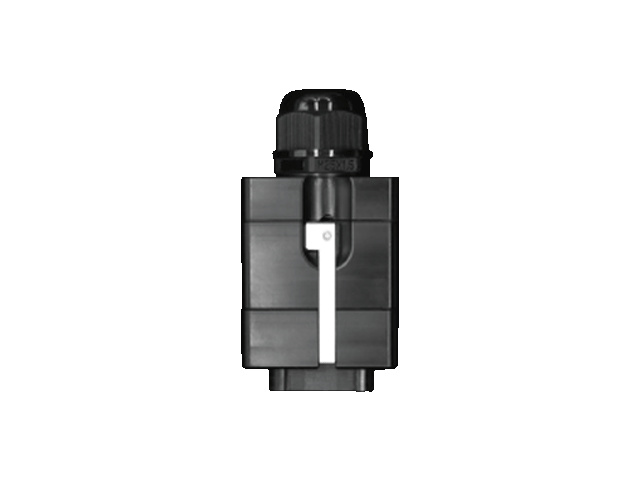
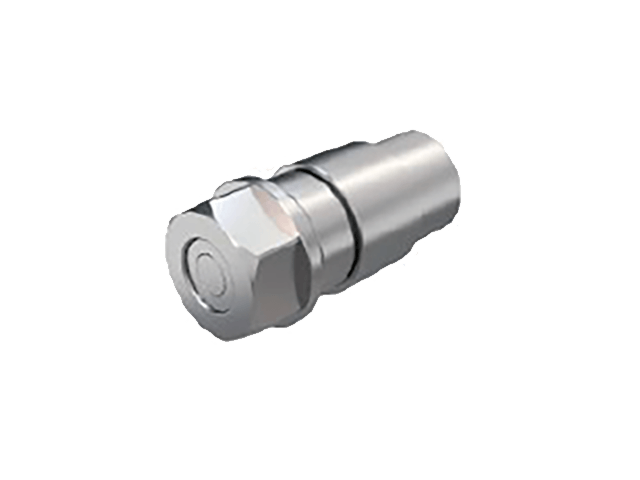
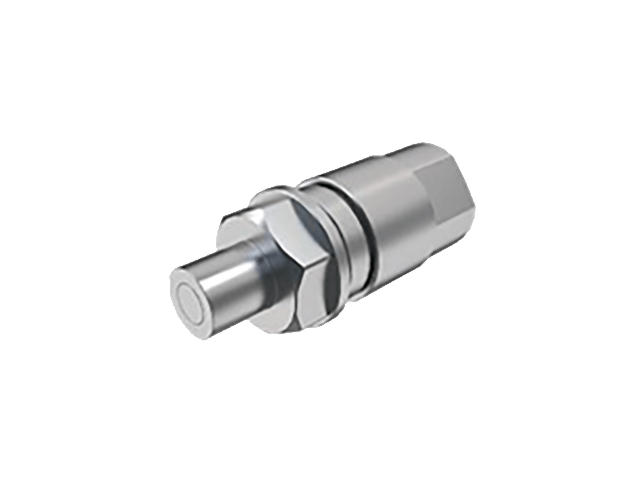
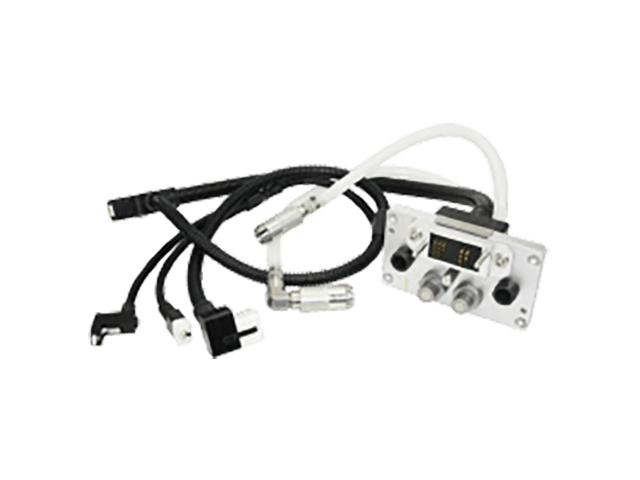
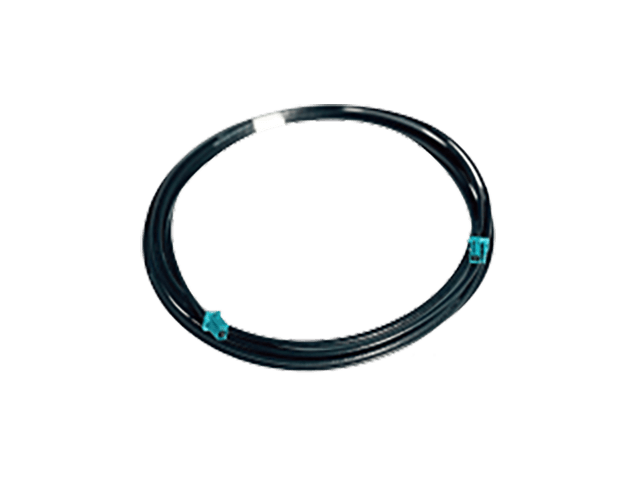
As a core product unit in Quick Link’s intelligent connection solutions, pneumatic connectors are positioned as dedicated connection components for high-reliability pneumatic testing. The product is specifically designed to address low efficiency, high costs, and practical connection challenges of traditional connection methods in the assembly and testing processes of new energy factories, reflecting Quick Link’s strategic layout in building a new ecosystem and standard of intelligent, value-driven connections.
In the production and testing scenarios of the new energy industry, pneumatic testing is a key process to ensure product quality. Whether it is power battery packs, electric drive systems, or thermal management components, strict pneumatic testing is required to verify sealing performance. Traditional connection methods often suffer from slow connection, poor sealing, and low repeatability, which directly affect production tact and the credibility of test data.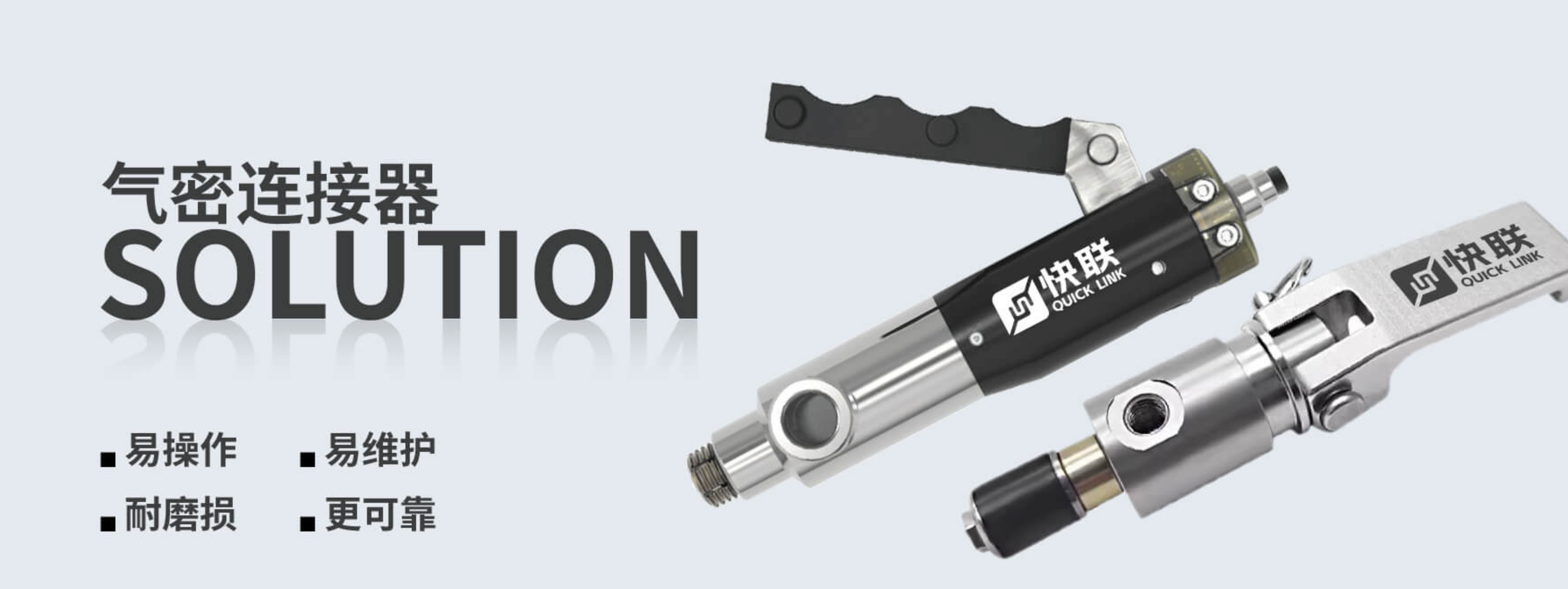
The core function of pneumatic connectors is pneumatic assurance: ensuring zero gas leakage during testing to guarantee accurate test results. While seemingly simple, this function requires precise control over material selection, sealing structure design, connection mechanisms, and other dimensions.
Quick Link’s quick connector product line integrates rapid sealing technology, enabling instant sealing on any nozzle, thread, and surface, significantly improving the preparation efficiency of leakage testing. In practical applications, operators can complete the connection and achieve the required sealing level for testing without complex thread tightening or repeated adjustments. This convenience greatly shortens the preparation time for a single test.
Notably, Quick Link has integrated intelligent diagnostic value into its product design philosophy. By embedding intelligent sensing and data interaction capabilities into hardware innovation, pneumatic connectors enable real-time monitoring of connection status. This means that during testing, the connector is not only a passive sealing component but also an active status monitoring node, providing feedback data on connection quality to the test system, supporting predictive maintenance, and avoiding test failures caused by connector wear or anomalies.
Value Reflection: Practical Results of Cost Reduction and Efficiency Improvement
Quick Link’s product strategy emphasizes the value of cost reduction and efficiency improvement: enhancing overall operational efficiency while lowering production costs through safe and rapid connection technology. Pneumatic connectors are a concrete embodiment of this value proposition.
In terms of efficiency, rapid sealing technology reduces the single connection time from minutes in traditional methods to seconds. For high-takt automated production lines, this time saving accumulates into significant capacity improvement in mass production. Meanwhile, simplified connection operations lower the skill requirements for operators and reduce the possibility of human error.